
Transforming Workplace Wellness Through Healthy Vending Machine Snack Options
Introduction
Walk into almost any office break room and you will likely find the same scene: a vending machine stocked with chips, candy bars, and sugary sodas, standing right next to a water cooler and a half-empty fruit bowl nobody refills. For decades, this has been the default snacking experience at work. But as companies rethink what employee wellbeing actually means, that old machine is finally getting an overhaul. Healthy vending machine snacks are becoming a quiet but powerful part of a much bigger conversation about workplace wellness.
This shift is not just about swapping candy bars for granola bars. It reflects a broader understanding that physical health, mental clarity, and emotional resilience are deeply connected. Employees who eat better tend to think more clearly, manage stress more effectively, and show up more consistently. At the same time, forward-thinking organizations are pairing better nutrition with expanded mental health resources, including access to a virtual psychiatrist, so employees have support for both body and mind. Together, these changes are reshaping what a modern wellness program looks like, one snack, one appointment, and one small decision at a time.
In this article, we will explore why healthy vending machine snacks matter, how they fit into a larger wellness strategy, what role mental health support plays alongside nutrition, and how companies can practically implement these changes without breaking the budget or overcomplicating the process.
Why Healthy Vending Machine Snacks Matter More Than You Think
It is easy to dismiss vending machines as a minor detail in the workplace. After all, most people are not choosing a job based on what is stocked in the break room. Yet the science behind nutrition and productivity tells a different story.
The human brain runs on glucose, but not all sources of glucose are created equal. A candy bar or a bag of chips causes a rapid spike in blood sugar followed by an equally rapid crash. That crash often shows up around 2 or 3 in the afternoon as fatigue, irritability, and difficulty concentrating, the classic post-lunch slump that so many employees experience. Healthy vending machine snacks, such as nuts, dried fruit, whole grain crackers, protein bars with lower sugar content, and even fresh produce in refrigerated units, release energy more steadily. This helps employees maintain focus through the entire workday rather than riding a rollercoaster of highs and lows.
There is also a psychological dimension to consider. When a company stocks its vending machines with nutritious options, it sends a subtle but meaningful message: we care about your health, not just your output. Employees notice these gestures. A break room that offers real food choices, rather than only ultra-processed snacks, can quietly reinforce a culture where wellbeing is taken seriously rather than treated as an afterthought.
From a practical standpoint, healthier snacking also has measurable effects on absenteeism and healthcare costs. Diets high in refined sugar and processed fats are linked to increased risk of obesity, type 2 diabetes, and cardiovascular issues, all of which contribute to higher insurance premiums and more sick days over time. Even modest dietary improvements at the workplace level can chip away at these long-term costs, making the investment in better vending options a smart business decision as well as a compassionate one.
Employers who have made this switch often report an unexpected benefit: increased employee satisfaction with facilities and amenities. Surveys consistently show that workers value tangible signs of investment in their daily experience, and a stocked machine full of appealing, better-for-you options can be a small but visible symbol of that investment.
Building a Wellness Program Around More Than Just Food
While healthy snacks are a great starting point, they work best as one component of a comprehensive wellness program rather than a standalone initiative. A truly effective program addresses multiple dimensions of health: physical activity, nutrition, sleep, financial stress, social connection, and mental health.
Consider how these pieces fit together. An employee who has access to nutritious snacks but is still working sixty-hour weeks under constant deadline pressure will not experience much benefit from a granola bar. Similarly, an employee who exercises regularly but subsists on vending machine junk food during work hours is only getting part of the wellness equation. The most successful wellness programs treat these elements as interconnected rather than isolated line items on a benefits sheet.
A well-rounded wellness program might include standing desks and walking meeting options to combat sedentary behavior, on-site or subsidized fitness memberships, flexible scheduling to support better sleep hygiene, financial wellness workshops to reduce money-related stress, and, increasingly, easy access to mental health professionals. Healthy vending machine snacks fit neatly into this ecosystem because they require minimal behavior change from employees. Nobody has to sign up for anything or carve out extra time in their day. The better choice is simply there, sitting right where the old choice used to be.
Communication matters here too. Simply installing a new vending machine without any context rarely changes behavior on its own. Companies that see the best results tend to pair the physical change with education, whether that is a short internal newsletter explaining the nutritional benefits of the new options, a lunch-and-learn session with a nutritionist, or signage on the machine itself highlighting protein content, fiber, or lower sugar levels. When employees understand the reasoning behind a change, they are more likely to embrace it rather than simply tolerate it.
It also helps to gather feedback directly from the workforce. Taste preferences vary widely, and a snack that feels healthy but tastes like cardboard will not get eaten no matter how nutritious it is. Short surveys, suggestion boxes near the machine, or simple trial periods where a few options rotate in and out can help HR teams and facilities managers zero in on choices that employees will actually reach for.
The Missing Piece: Mental Health and the Rise of Virtual Psychiatrist Access
Physical wellness initiatives, including healthy vending machine snacks, address one important layer of employee wellbeing. But no wellness program is complete without addressing mental health, and this is where the conversation has shifted dramatically in recent years.
Historically, mental health support at work meant a vague mention of an Employee Assistance Program buried in a benefits packet that most employees never used, often due to stigma, inconvenience, or simply not knowing it existed. Today, companies are recognizing that mental health struggles, including anxiety, depression, burnout, and chronic stress, directly affect productivity, engagement, and retention in ways that are just as significant as physical health issues.
This is where the option to consult a virtual psychiatrist has become such a valuable addition to modern benefits packages. Virtual psychiatric care removes many of the traditional barriers that have historically kept employees from seeking help. There is no need to take an afternoon off work, sit in a waiting room, or worry about being seen walking into a mental health clinic by a coworker. Instead, an employee can schedule a confidential session from their phone or laptop, often during a lunch break or after hours, and speak with a licensed professional about what they are experiencing.
The convenience factor cannot be overstated. Many people who might benefit from psychiatric support never take the first step simply because the logistics feel overwhelming: finding a provider who accepts their insurance, waiting weeks for an appointment, or arranging transportation and time off. Virtual psychiatrist services collapse many of these obstacles into a few clicks, making it far more likely that someone in the early stages of struggling will actually reach out before a smaller issue becomes a crisis.
There is a natural synergy between offering healthy vending machine snacks and offering virtual psychiatric access, even though they might seem unrelated at first glance. Both interventions lower the barrier to a healthier choice. Just as a nutritious snack sitting a few feet from someone’s desk is easier to choose than driving to a grocery store, a video appointment that takes fifteen minutes is easier to choose than an in-person visit that eats up half a day. Wellness programs succeed when they make the healthy option the convenient option, and this principle applies equally to nutrition and to mental health care.
Companies that have integrated virtual psychiatric access into their benefits report that employees use these services more frequently than traditional in-person referral systems, precisely because the friction has been removed. When paired with nutritional improvements like better vending machine options, the message to employees becomes cohesive: your whole self matters here, not just the hours you clock.
Practical Steps for Implementing These Changes
Understanding the value of healthy vending machine snacks and mental health resources like virtual psychiatrist access is one thing. Actually implementing these changes across an organization is another. Here are practical steps that HR leaders, facilities managers, and business owners can take to move from concept to execution.
Start with an audit of current offerings. Before purchasing new equipment or negotiating with vendors, take stock of what is currently available in break rooms and vending areas. Identify which items are consistently high in added sugar, sodium, or unhealthy fats, and flag them for replacement rather than trying to overhaul everything at once.
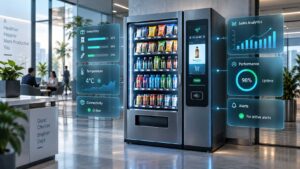
Partner with vending suppliers who specialize in healthier inventory. Many vending companies now offer curated selections focused specifically on nutritious snacks, and some even provide smart refrigerated units that can stock fresh items like yogurt, cut fruit, and pre-portioned vegetables with hummus. Ask potential vendors about their sourcing, ingredient transparency, and willingness to rotate seasonal or employee-requested items.
Introduce changes gradually rather than all at once. A sudden, complete replacement of every vending option can feel jarring and may generate pushback, especially from employees who relied on familiar comfort snacks. A phased approach, perhaps replacing twenty percent of offerings each month, allows the workforce to adjust while still moving steadily toward a healthier lineup.
Bundle the rollout with mental health communication. When announcing new vending machine options, this is an ideal moment to also highlight or re-introduce benefits like virtual psychiatrist access. Framing both initiatives together under a single wellness program banner helps employees see the bigger picture rather than viewing the snack change as an isolated cost-cutting or box-checking exercise.
Track engagement and gather ongoing feedback. Use simple metrics, such as which snacks sell fastest, informal feedback from team leads, or anonymous pulse surveys, to continually refine the offerings. The same approach applies to mental health services; monitor utilization rates of virtual psychiatric appointments and solicit anonymous feedback about ease of access and perceived value.
Finally, involve leadership visibly. When executives and managers are seen making the same healthy choices, whether that is grabbing a piece of fruit from the vending machine or openly mentioning they use the company’s mental health benefits, it normalizes these behaviors for everyone else. Culture change tends to flow from the top down as much as it does from policy documents.
Conclusion and Call to Action
Workplace wellness is no longer confined to an annual flu shot clinic or a discounted gym membership buried in a benefits handbook. It is evolving into a holistic, everyday experience that touches the small moments, like what an employee grabs from the vending machine at 3 p.m., as much as the big-ticket benefits. Healthy vending machine snacks might seem like a minor detail, but they represent something larger: a workplace culture that pays attention to the details of daily employee experience. Paired with accessible mental health resources like Virtual Psychiatrist consultations, these changes form the backbone of a genuinely effective, modern wellness program, one that supports employees physically, mentally, and emotionally.